
“Tusi” refers to two completely unrelated things, and confusing them is dangerous.
The first is a recreational drug — a pink powder also called tuci, tussi or “pink cocaine” — which typically contains ketamine and MDMA, contains no cannabis, and carries documented cardiac and neurological risks.
The second is a cannabis strain, an indica-dominant hybrid of Pink Runtz and Gelato #33 testing 20–26% THC.
They share a name and nothing else. If you arrived here looking for information about the powder, the first section is the one you want.
Staff picks
-
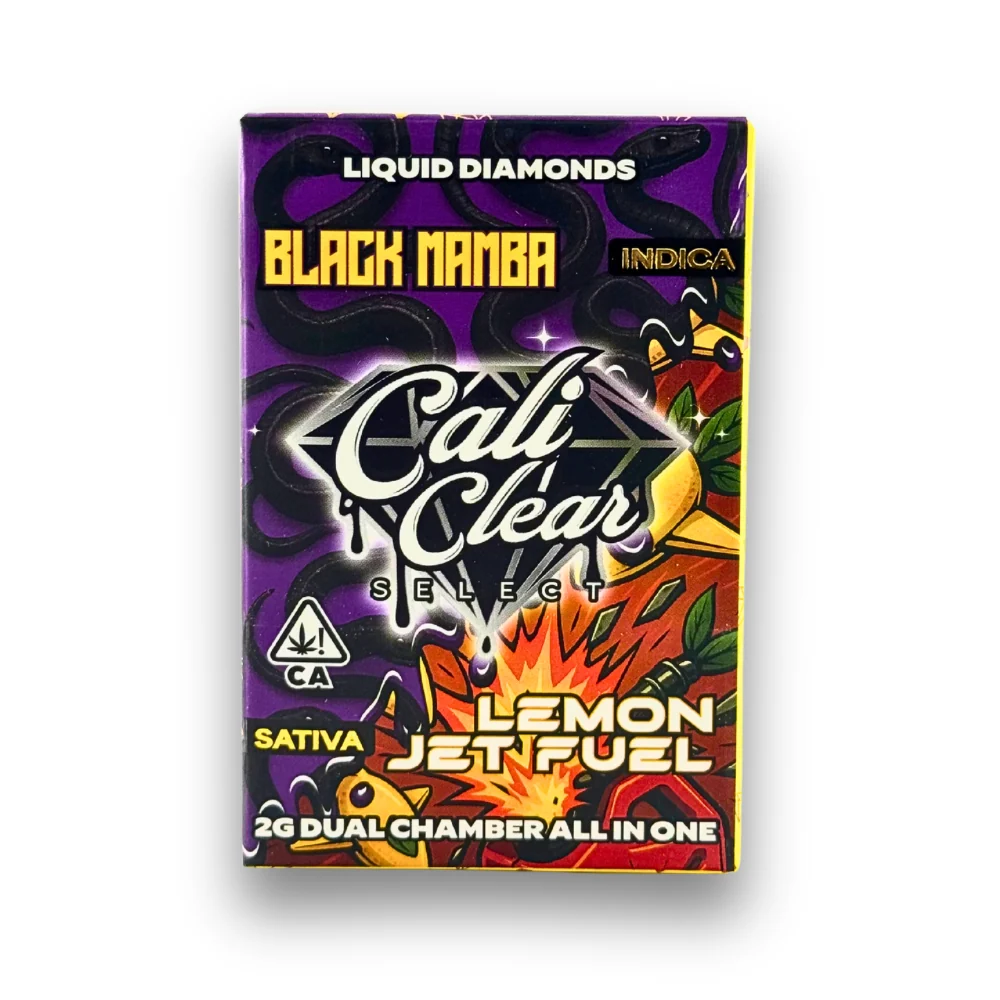
Black Mamba (Indica) x Lemon Jet Fuel (Sativa)
Original price was: $35.00.$30.00Current price is: $30.00. -
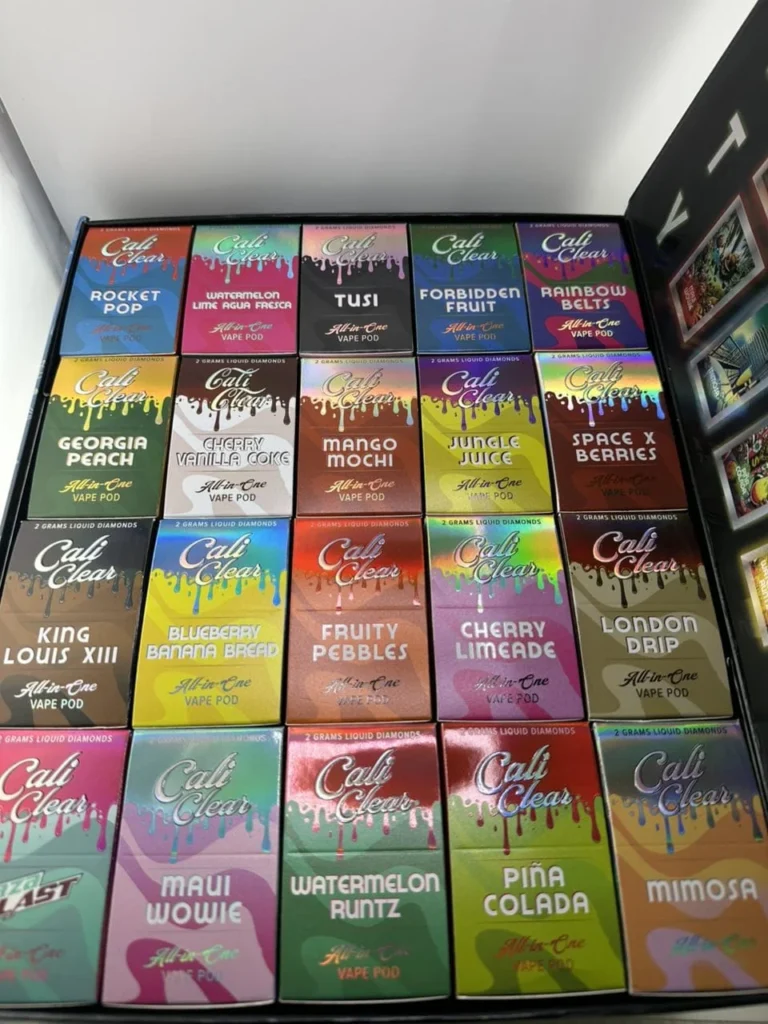
Cali Clear 2g Disposable bulk
Price range: $220.00 through $2,100.00 -
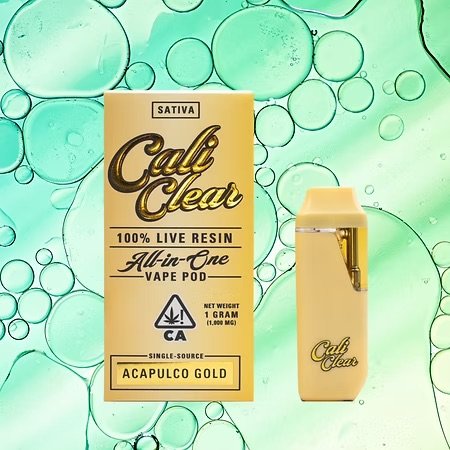
Cali Clear Acapulco Gold Live Resin Disposable Vape – 1G THC Cart
$25.00 -
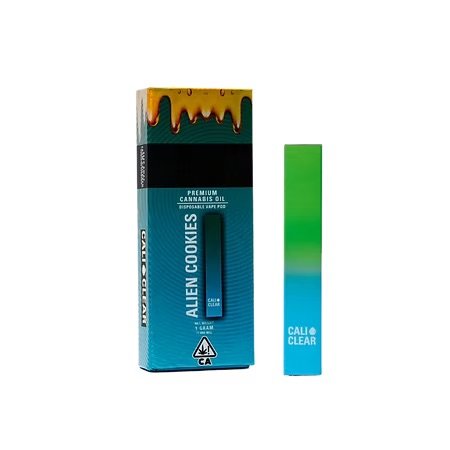
Cali Clear Alien Cookies – 1G THC All-In-One Disposable – Hybrid –
$20.76
Tusi the Drug — “Pink Cocaine”
What is actually in it
Tusi has no standard formula, and that is the central fact about it. What is sold under the name varies batch to batch and seller to seller.
Analysis of seized samples found:
| Substance | Present in |
|---|---|
| Ketamine | 94.7% of samples |
| MDMA | 63.2% |
| Caffeine | 52.6% |
| Methamphetamine, cocaine, oxycodone and others | smaller proportions |
The pink colour comes from FD&C Red 40 food dye. It has no pharmacological function — it is there to make the product visually distinctive, and analysts have noted it appears designed to appeal to young people.

The name is misleading by design
“Tusi” derives from the English pronunciation of 2C-B — “two-cee-bee” — a synthetic psychedelic.
Most tusi contains little or no 2C-B. Someone buying it expecting 2C-B is, in the overwhelming majority of cases, buying ketamine and MDMA in a pink dye. The name survives because it sells, not because it describes the contents.
It is also not cocaine, despite “pink cocaine” being the common English name. That name is as inaccurate as the first one.
Documented risks
Reported adverse effects include seizures, cardiac arrhythmia, raised blood pressure and heart attack. Substance-induced psychosis and severe mood instability are documented, as is tolerance with repeated use.
The specific danger of an unstandardised mixture is that dose control is impossible — a user cannot know what they are taking or how much, and combinations involving stimulants and dissociatives carry compounding cardiac risk.
Tusi emerged in Colombia around 2018 and has spread through Latin America, Europe and North America since. The DEA maintains a public advisory page on it, and Wikipedia’s entry collates the analytical literature.
Tusi the Cannabis Strain
Separately, and unrelatedly, Tusi is a real cannabis cultivar.
| Tusi (cannabis strain) | |
|---|---|
| Lineage | Pink Runtz × Gelato #33 |
| Breeder | Not consistently documented — traced to boutique craft selections |
| Type | Indica-dominant hybrid |
| THC | 20–26% |
| CBD | Below 1% |
| Primary terpenes | Beta-caryophyllene, limonene, myrcene, linalool |
| Flavor | Tart fruit candy, candied citrus, sweet cream; gasoline kick and earthiness on the exhale |
| Effects | Head lift with mild euphoria, then steady body relaxation |
The lineage
Pink Runtz brings the Zkittlez-family candy sweetness and the pink-toned appearance. Gelato #33 brings the dense bud structure of the Cookies lineage and a creamier depth. tusi cali clear strain
The result is what Strainpedia describes as a candy-fuel profile — tart sugar on the front, gas on the back. If that structure sounds familiar from other modern hybrids, it is the same architecture that made the Runtz family so widely bred from.
The breeder is not documented in commercial records, which is worth noting honestly: this is a strain with a clear lineage but no attributable origin.
Terpenes
Caryophyllene supplies the peppery gas — the same compound that gives black pepper its bite, and the only common terpene that binds CB2 receptors directly. Limonene is the candied citrus. Myrcene is the herbal, earthy base. Linalool is floral, the compound behind lavender’s scent, and it is what softens the candy note.
Why Do They Share a Name?
The cannabis strain borrowed the name. Not the other way round.
Two things made it an obvious choice for a breeder: the Pink Runtz parent produces pink-toned flower, which maps onto the powder’s most recognisable visual feature, and “tusi” carries the same exotic, expensive cachet in cannabis marketing that “zaza” does.
This is a common pattern. Strain names get borrowed from confectionery brands, from luxury goods, and — as here — from other drugs entirely. The name is a marketing decision, and it tells you nothing about what is in the jar.
What it does mean practically: if you are searching “tusi” and getting results about both a pink powder and a cannabis flower, you are not confused. They genuinely are two different things with one name. Verify what you are actually looking at, and in cannabis that means reading the certificate rather than the label.
Tusi in Cali Clear
Cali Clear sells a 2g Tusi disposable — a cannabis product containing liquid diamond extract at 90–95% THC and nothing else. It is named after the cannabis strain described above. It contains no ketamine, no MDMA and no substance associated with the powder that shares the name.
Every batch certificate is published on our lab reports page, which lists the complete cannabinoid profile and the screens for pesticides, heavy metals, residual solvents and microbials. For a product whose name invites exactly this question, the certificate is the answer.
Tasting notes for the full lineup are on our Cali Clear flavors page.
Frequently Asked Questions
What is tusi? Tusi is the street name of a pink powder drug, also called tuci or “pink cocaine”, which typically contains ketamine and MDMA. Separately, it is also the name of a cannabis strain — an indica-dominant hybrid of Pink Runtz and Gelato #33. The two are unrelated.
Is tusi the same as pink cocaine? Yes, “pink cocaine” is the common English name for tusi. Both names are misleading: the substance usually contains neither cocaine nor 2C-B, the drug its name is derived from.
Does tusi contain cannabis? No. The drug contains no cannabinoids and works through entirely different pharmacology. The cannabis strain called Tusi is a separate thing that borrowed the name.
What is the Tusi cannabis strain? An indica-dominant hybrid of Pink Runtz and Gelato #33, testing 20–26% THC, with a tart candy and gas flavor profile. Its breeder is not documented in commercial records.
Is Cali Clear Tusi the drug? No. Cali Clear Tusi is a cannabis disposable containing liquid diamond extract and nothing else. It is named after the cannabis strain. The batch certificate lists the full cannabinoid profile.
Why is the cannabis strain called Tusi? The strain borrowed the name. Its Pink Runtz parent produces pink-toned flower, and the name carries a premium association in cannabis marketing. It is a naming decision, not a description of contents.
Written by Peter Grinspoon, product review expert and head of review at our authorized retail business. With years of dedicated experience in licensed cannabis retail and hardware evaluation, Peter ensures every product we recommend meets the highest standards of authenticity, safety, and performance.