
Blue Dream strain is a sativa-dominant hybrid, roughly 60/40, bred from Blueberry and Haze. Flower typically tests between 18% and 24% THC with CBD below 1%. Its dominant terpenes are myrcene, pinene and caryophyllene, and it is known for a berry-and-pine profile with a clear-headed onset rather than a heavy one.
It is also one of the most durable strains in American cannabis. Nearly twenty years after it left Santa Cruz it still appears at the top of popularity surveys — a September 2026 roundup built on Headset sales data and Leafly reviews lists it first and calls it one of the most commercially resilient strains on the market. Strains usually get about three years. Blue Dream has had two decades.
Staff picks
-
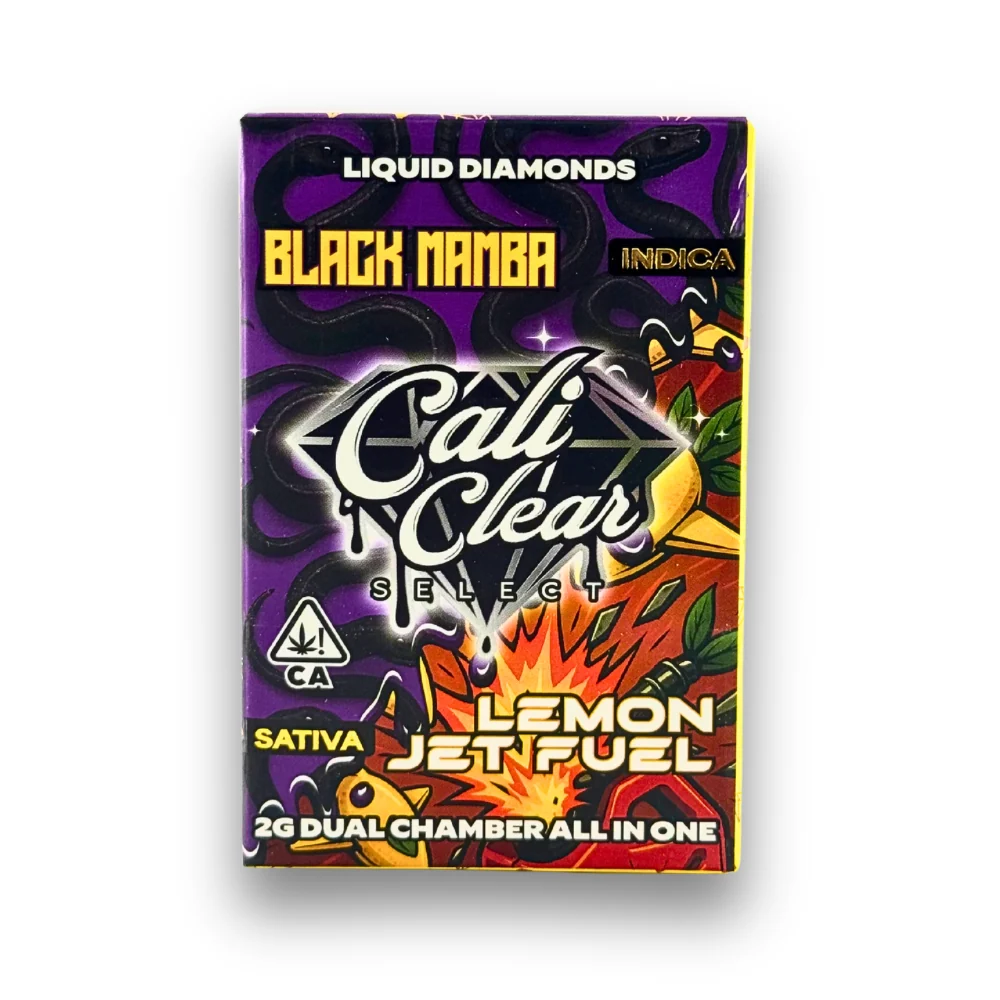
Black Mamba (Indica) x Lemon Jet Fuel (Sativa)
Original price was: $35.00.$30.00Current price is: $30.00. -
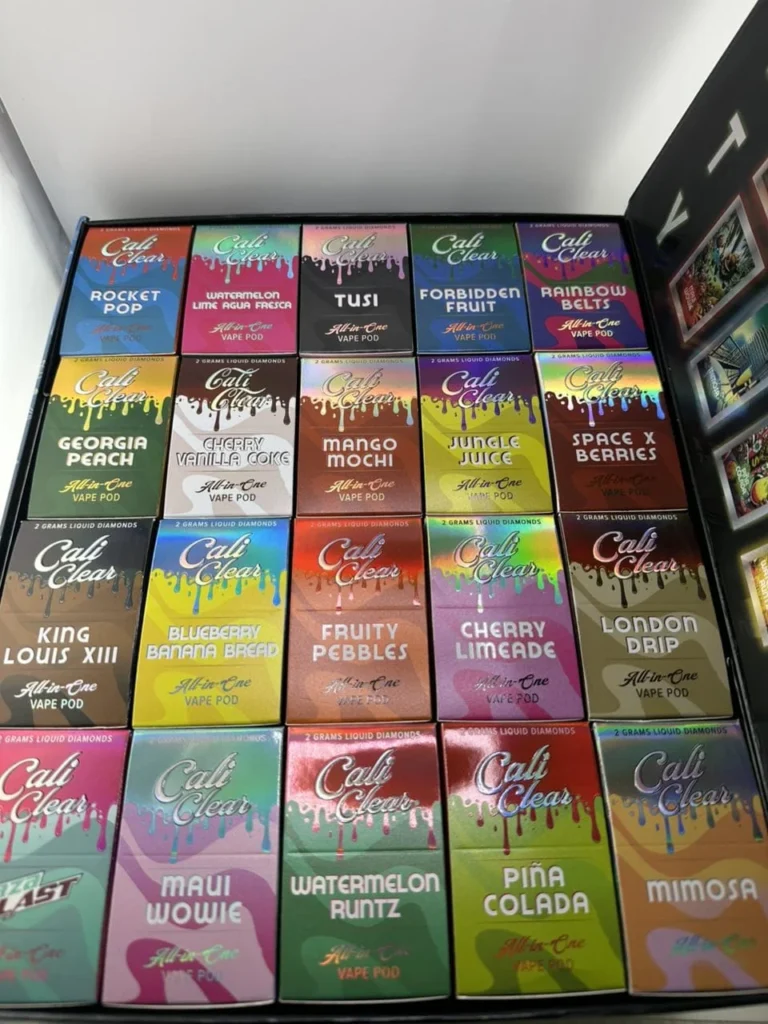
Cali Clear 2g Disposable bulk
Price range: $220.00 through $2,100.00 -
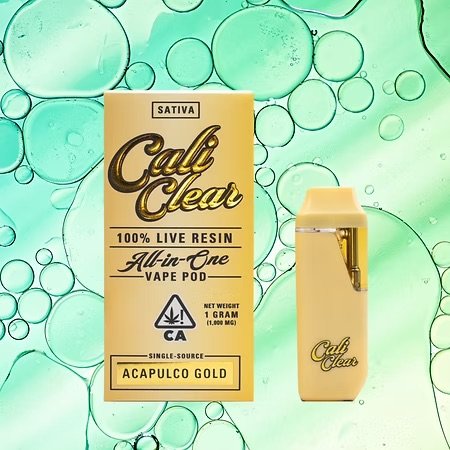
Cali Clear Acapulco Gold Live Resin Disposable Vape – 1G THC Cart
$25.00 -
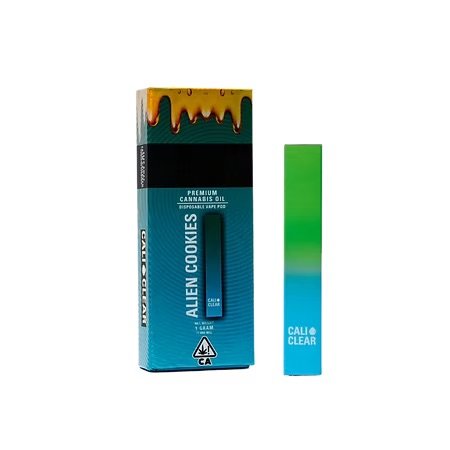
Cali Clear Alien Cookies – 1G THC All-In-One Disposable – Hybrid –
$20.76
Blue Dream at a Glance
| Blue Dream | |
|---|---|
| Lineage | Blueberry × Haze |
| Breeder | Attributed to DJ Short’s Blueberry line, selected by Santa Cruz cultivators |
| Origin | Santa Cruz, California |
| Type | Sativa-dominant hybrid, approx. 60/40 |
| THC (flower) | 18–24% |
| CBD | Below 1% |
| Dominant terpenes | Myrcene, pinene, caryophyllene |
| Secondary terpenes | Limonene, linalool |
| Flavor | Sweet blueberry jam, candied berries, citrus peel over pine and damp earth |
| Effects | Cerebral lift and mental clarity first, then functional body relaxation without sedation |
Blue Dream Genetics and Origin
Blue Dream is a cross of Blueberry and Haze, and each parent contributes something you can taste separately.
Blueberry is the famous DJ Short indica line — sweet berry aromatics, compact bud structure, and a soothing physical character. Haze is the sativa backbone: soaring cerebral stimulation, tall apical growth, and a complex herbal spice underneath the sweetness.
The cross came out of Santa Cruz, California, and that matters for how the strain is discussed. Blue Dream was a clone-only cut for years before seed versions circulated, which is why Strainpedia and other lineage records attribute it to DJ Short’s Blueberry crossed by Santa Cruz artisanal cultivators rather than to one named breeder with a date. The “Santa Cruz cut” is still referenced as the original phenotype.
What that means for you as a buyer: Blue Dream is bred from widely, so the name covers more genetic variation than most. Two Blue Dreams from different producers can differ noticeably in both terpene profile and potency.

Is Blue Dream Indica or Sativa?
Blue Dream is sativa-dominant — usually described as about 60% sativa, 40% indica.
In practice this is the classic daytime hybrid. The onset is cerebral: mood elevation, mental clarity, a creative sort of focus. What follows is body relaxation that stays functional rather than tipping into couch-lock, which is the Blueberry side showing up late.
That balance is most of why it has lasted. It is potent enough to be worth buying and mild enough in character to be a default — the strain people reach for when they do not want to make a decision.
A caveat worth stating plainly: indica and sativa labels describe plant structure and terpene tendencies, not guaranteed effects. How Blue Dream affects you depends on dose, tolerance and your own chemistry more than it depends on the label.
Blue Dream Terpenes and Flavor
Myrcene leads — herbal and earthy, the most common terpene in cannabis and the base note under the fruit.
Pinene is the fresh pine-needle note, and it is the terpene that keeps Blue Dream from reading as purely sweet. It is the same compound that gives pine forests their smell.
Caryophyllene brings herbal spice and is the only common terpene that binds CB2 receptors directly. It is also what gives black pepper its bite.
Limonene and linalool sit underneath — citrus peel and a faint floral softness respectively.
The result on the palate is sweet blueberry jam and candied berries on the front, citrus peel through the middle, and pine and damp earth on the back. In vapor it reads a little differently: sweet blue fruit, vanilla sugar, herbal tea.
Blue Dream Effects
Reported effects follow a consistent arc:
- First — cerebral stimulation, mood elevation, mental clarity
- Then — creative focus, sociability
- Later — full-body physical relaxation that stays functional
Common side effects across cannabis generally include dry mouth, dry eyes and, at higher doses, dizziness or anxiety. Sativa-leaning strains are more associated with the latter, so start low.
This is general information about a cannabis cultivar and not medical advice. Cannabis products have not been evaluated for the treatment of any medical condition.
Blue Dream in a Vape: What Actually Carries Over
This is where most strain guides stop being useful, so it is worth being precise.
The THC number changes completely. Blue Dream flower tests 18–24%. A Cali Clear Blue Dream disposable tests 90–95% THC, because it is a concentrate rather than flower. The strain does not become more potent — the extraction removes plant material and leaves cannabinoids and terpenes behind. Comparing 22% flower to 93% extract is comparing two different things, not two strengths of the same thing.
The terpene profile is what actually carries over — and only if the extract is made to preserve it. Distillate is stripped of terpenes during processing and has flavour added back afterwards, which is why distillate carts named after strains often taste like a generic sweetness. Liquid diamonds are different: THCa crystalline suspended in a terpene-rich sauce, so the myrcene, pinene and caryophyllene that define Blue Dream are still doing the work. The full explanation is on our liquid diamonds page.
What will not carry over is a guarantee about effects. A concentrate delivers a much larger dose per draw than flower does per hit. Treat a strain-named disposable as a flavour and terpene reference, not as a promise that you will feel what a reviewer felt smoking the flower.
Cali Clear Blue Dream
Cali Clear Blue Dream is a sativa option in the lineup — berry and haze on the flavour side, 90–95% THC, on the same 300mAh hardware as every other flavour. It sits alongside Super Lemon Haze, Ghost Train, Maui Wowie and Turbo Diesel on our sativa page, and the full range with tasting notes is on our Cali Clear flavors page.
Batch certificates listing the full cannabinoid profile and the pesticide, heavy metal, solvent and microbial screens are published on our lab reports page.
Frequently Asked Questions
Is Blue Dream indica or sativa? Blue Dream is a sativa-dominant hybrid, roughly 60% sativa and 40% indica. It is bred from the indica Blueberry and the sativa Haze.
What is Blue Dream crossed with? Blue Dream is a cross of Blueberry and Haze. Blueberry contributes the sweet berry aroma and body relaxation; Haze contributes the cerebral lift and herbal spice.
How much THC is in Blue Dream? Blue Dream flower typically tests between 18% and 24% THC, with CBD below 1%. A liquid diamond concentrate of the same strain tests much higher — Cali Clear Blue Dream is 90–95% THC.
What does Blue Dream taste like? Sweet blueberry jam and candied berries with citrus peel, over a base of fresh pine and damp earth. In vapor form it reads as sweet blue fruit with vanilla sugar and herbal tea notes.
What terpenes are in Blue Dream? Myrcene, pinene and caryophyllene are dominant, with limonene and linalool secondary. Pinene is what keeps the profile from reading as purely sweet.
Where did Blue Dream come from? Santa Cruz, California. It circulated as a clone-only cut for years before seed versions became available, which is why it is attributed to Santa Cruz cultivators working with DJ Short’s Blueberry rather than to a single named breeder.
Is Blue Dream good for daytime? It is generally considered a daytime strain because the onset is cerebral and the body relaxation stays functional rather than sedating. Individual response varies with dose and tolerance.