
THC from a Cali Clear is typically detectable in urine for about 3 days after a single use, 5 to 7 days for occasional use, and 30 days or more for daily use. Saliva tests detect it for around 24 to 30 hours, blood for hours to a few days, and hair for up to 90 days.
Those are ranges rather than guarantees. How long it takes any individual to clear THC depends on factors covered below, and no article can tell you whether you personally will test negative on a given date.
Products by Category
-
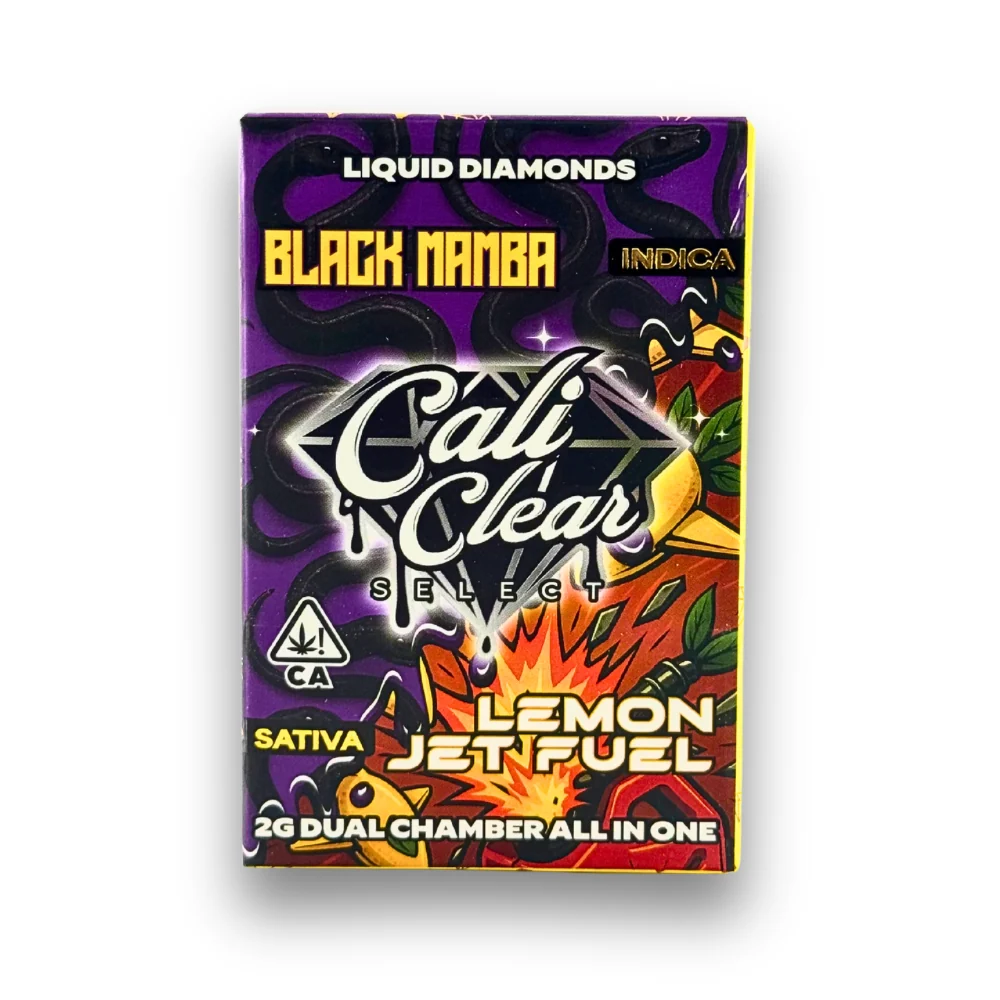
Black Mamba (Indica) x Lemon Jet Fuel (Sativa)
Original price was: $35.00.$30.00Current price is: $30.00. -
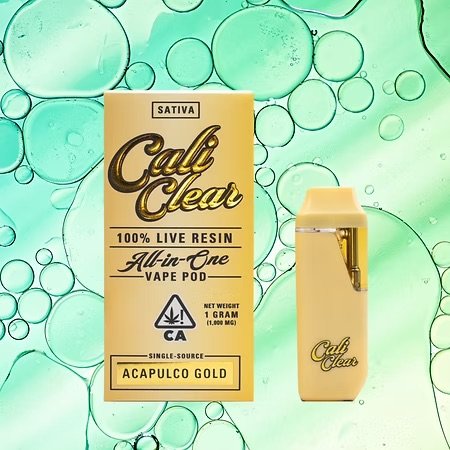
Cali Clear Acapulco Gold Live Resin Disposable Vape – 1G THC Cart
$25.00 -
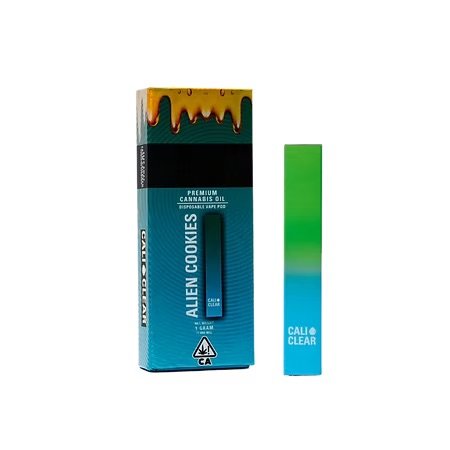
Cali Clear Alien Cookies – 1G THC All-In-One Disposable – Hybrid –
$20.76 -

Cali Clear Banana Mango – 2G Liquid Diamonds Disposable – Hybrid –
$23.50 -
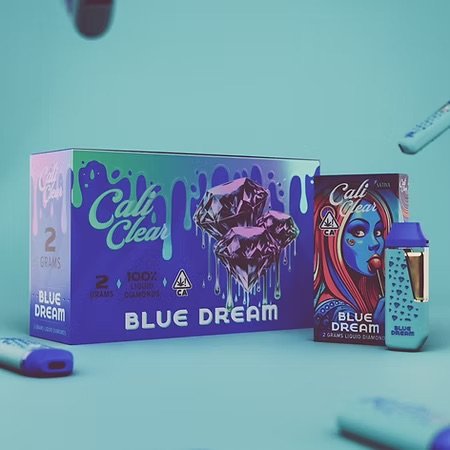
Cali Clear Blue Dream – Buy Cali Clear 2g Disposable Vape
$22.50 -
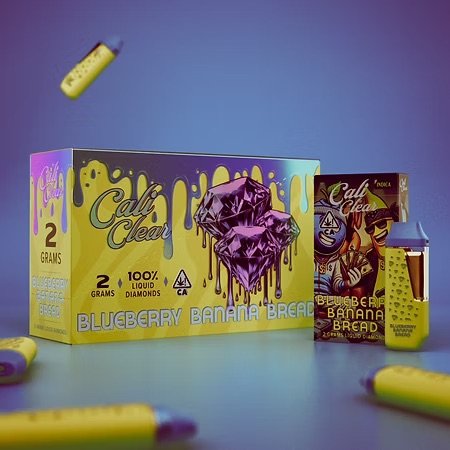
Cali Clear Blueberry Banana Bread – 2G Liquid Diamonds Disposable – Indica –
$21.40 -
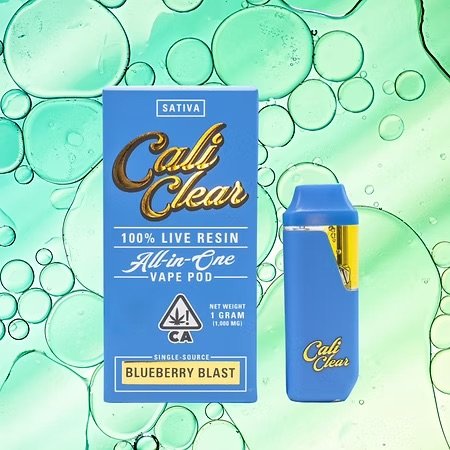
Cali Clear Blueberry Blast Live Resin Disposable Vape – 1G THC Cart
$25.00 -
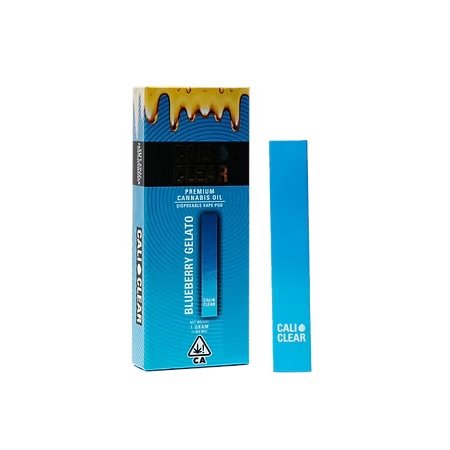
Cali Clear Blueberry Gelato – 1G THC All-In-One Disposable –
$19.50 -

Cali Clear Bubba Kush – 2G Liquid Diamonds Disposable –
$22.50
Detection Windows by Test Type
| Test | Typical detection window | What it measures |
|---|---|---|
| Urine | 3 days single use · 5–7 days occasional · 30+ days daily · up to 6 weeks heavy | THC metabolites |
| Saliva | 24–30 hours | Recent THC |
| Blood | Hours for occasional use; up to several days for frequent use | Active THC |
| Hair | Up to 90 days | THC metabolites in the hair shaft |
| Sweat patch | 7–14 days (worn over that period) | THC metabolites |
Urine is the test you are most likely to encounter. It is the standard for employment screening, and it has the widest range precisely because it detects metabolites rather than active THC — your body keeps producing those long after any effects have worn off.
Blood and saliva show recent use, not accumulated use. A blood test showing active THC is closer to evidence of impairment than a urine test is. That distinction matters in some legal contexts and it is worth knowing which test you are facing.
Hair is the longest and the least common. It only registers use that occurred long enough ago for the hair to grow out — typically not the last week.
Why a High-Potency Concentrate Is Different
This is the part that generic “how long does weed stay in your system” articles miss, and it applies directly to Cali Clear.
Cali Clear runs liquid diamonds at 90–95% THC. Cannabis flower generally tests between 15% and 30%. That means a comparable session with a concentrate delivers substantially more THC than the same session with flower.
Because THC is fat-soluble, it accumulates in body fat and is released slowly over time. More THC per session means more accumulation — so a concentrate user can reach the “regular user” detection window faster, and on fewer sessions, than a flower user would.
Put plainly: if you are estimating your own clearance time from an article written about flower, or from a friend’s experience with flower, that estimate is likely to be optimistic.
What Affects How Long It Stays
Five factors, in rough order of how much difference each makes.
Frequency of use. By far the largest factor. The gap between a single use and daily use is the difference between roughly 3 days and 30+ days. Nothing else on this list comes close.
Body composition. THC is fat-soluble and stores in fat tissue. A higher body fat percentage generally means slower clearance, because there is more tissue holding the compound and releasing it gradually.
Metabolic rate. Faster metabolism clears THC faster. This is largely not something you control.
Dose and potency. More THC per session means more to clear — which is the concentrate point above.
Hydration. Dehydration concentrates urine, which can raise measured metabolite levels. This affects the reading rather than the underlying clearance.
What the cutoff is. Testing thresholds are not universal. Federal workplace programs use 50 ng/mL for an initial screen and 15 ng/mL for confirmation, while private labs commonly use 20, 50 or 100 ng/mL. The same sample can pass one threshold and fail another.
What the Test Is Actually Measuring
Most tests are not looking for THC itself. They are looking for THC-COOH, an inactive metabolite your liver produces as it breaks THC down.
That is why urine detection windows are so much longer than the effects. The psychoactive effects of a draw are gone within hours; the metabolite your body creates while processing it can be present for weeks. A positive urine test is evidence of past use, not of current impairment — a distinction that is well established scientifically and, unhelpfully, not always reflected in how test results are interpreted.
Can You Speed It Up?
No, not reliably. There is no established method for accelerating THC clearance, and this is one of the clearer findings in the literature rather than a matter of debate.
The detox drinks, kits and supplements marketed for this purpose are not proven to work. Most operate by diluting urine, which laboratories test for directly — a sample with abnormally low creatinine or specific gravity is typically flagged as dilute and either rejected or treated as a failed test.
Time and abstinence are what change the outcome. Nothing else has been shown to.
Exercise Before a Test: a Warning, Not a Tip
This one is counterintuitive and worth knowing because people get it backwards.
Since THC is stored in fat tissue, burning fat can release stored THC back into the bloodstream. Research has found that exercise shortly before a test can raise measured THC levels rather than lower them.
If you have a test coming up, intense exercise in the preceding 24 hours is more likely to work against you than for you. This is not advice about how to approach a test — it is a correction to a widely repeated piece of misinformation that causes the opposite of its intended effect.
What This Page Won’t Help With
We are not going to advise on how to pass a drug test you would otherwise fail.
That is partly a line we are not willing to cross, and partly practical: sample adulteration and substitution are specifically tested for, are detectable, and in many jurisdictions carry legal consequences of their own. Advice in that direction tends to make a bad situation worse.
What we can do is give you accurate information about detection windows so you can make your own decisions with real numbers rather than guesses. If you are in a safety-sensitive role, or facing a test with serious consequences, the accurate numbers are the useful thing — and the honest version of them is above.
Frequently Asked Questions
How long does a Cali Clear stay in your system? THC from a Cali Clear is typically detectable in urine for about 3 days after single use, 5 to 7 days for occasional use, and 30 days or more for daily use. Saliva detects it for 24 to 30 hours, blood for hours to a few days, and hair for up to 90 days.
Does a Cali Clear show up on a drug test? Yes. Cali Clear contains THC, and standard drug tests screen for THC metabolites. The device being a vape rather than flower makes no difference to the result.
How long does a THC vape stay in your system? The same as any other THC product of comparable dose — what matters is how much THC entered your system and how often, not the format. High-potency concentrates deliver more THC per session than flower, which can extend the window.
Does vaping leave your system faster than smoking? No meaningful difference. Both deliver THC through inhalation and both produce the same metabolites. Dose and frequency determine the detection window, not the delivery method.
Will drinking water help me pass a drug test? Excess water dilutes urine, and laboratories test for dilution directly using creatinine and specific gravity. A dilute sample is typically flagged and rejected or treated as a failed test.
How long do the effects of a Cali Clear last, as opposed to detection? Effects from inhaled THC typically begin within minutes, peak around the half-hour mark and taper over the following hours. That is a completely separate question from detection, which measures metabolites long after effects have ended — more on the specifications in our Cali Clear FAQ.