
Terpenes are the aromatic compounds that give each cannabis cultivar its smell and taste. They are why Bubba Kush smells like coffee and earth while Super Lemon Haze smells like lemon rind — and they are measured and printed on a lab certificate, unlike the indica and sativa labels. Cali clear terpenes
They are also the most over-claimed subject in cannabis. This guide covers what each terpene actually is, what it is associated with, and — the part most terpene guides omit — what the evidence does and does not support.
-
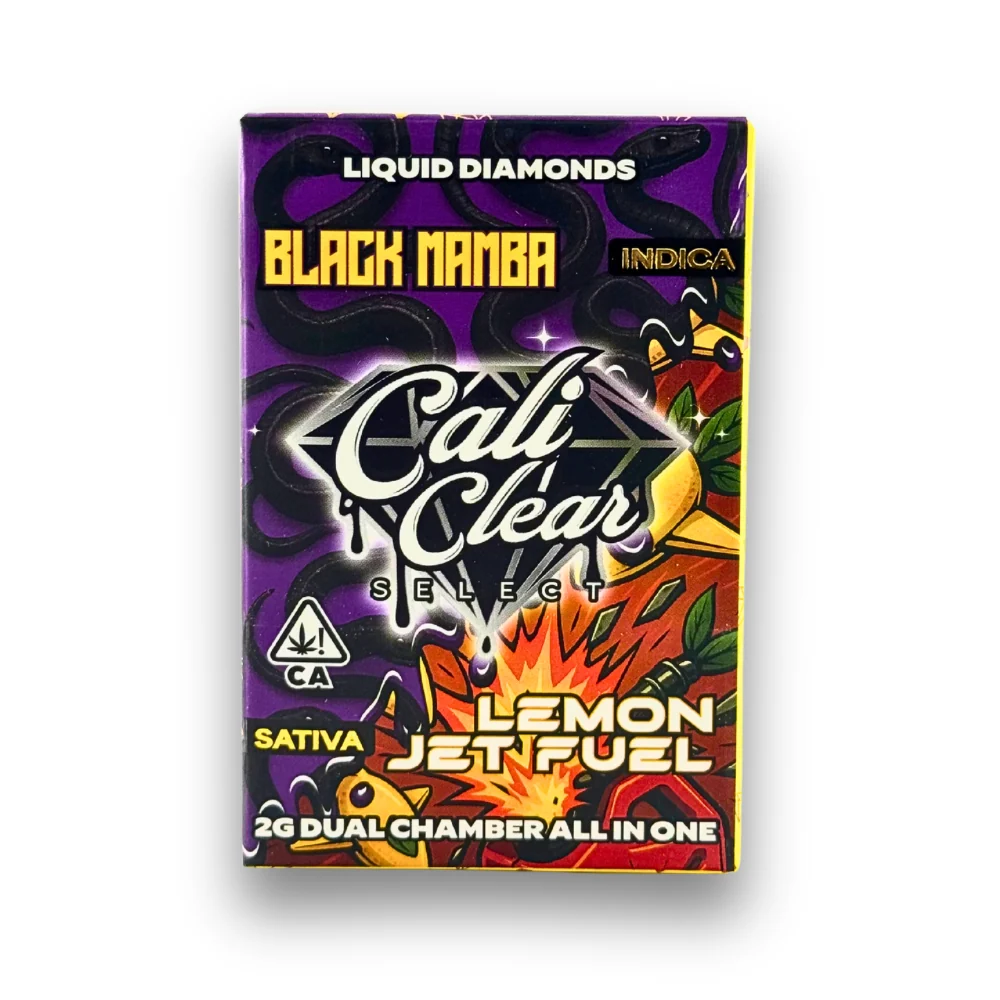
Black Mamba (Indica) x Lemon Jet Fuel (Sativa)
Original price was: $35.00.$30.00Current price is: $30.00. -
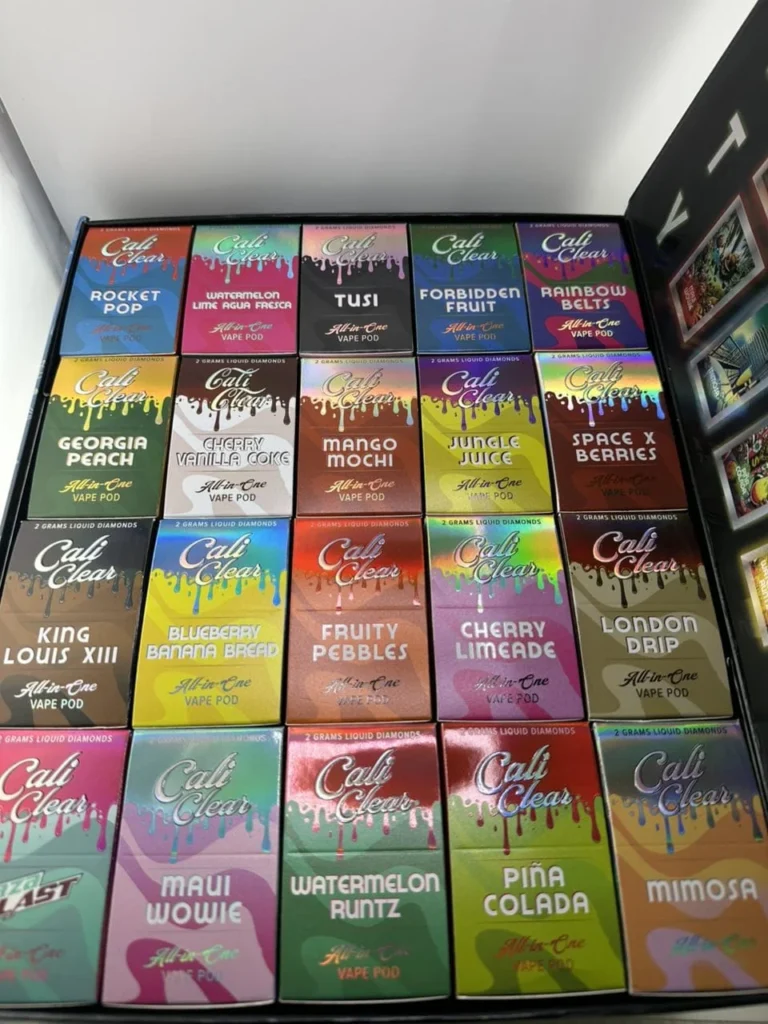
Cali Clear 2g Disposable bulk
Price range: $220.00 through $2,100.00 -
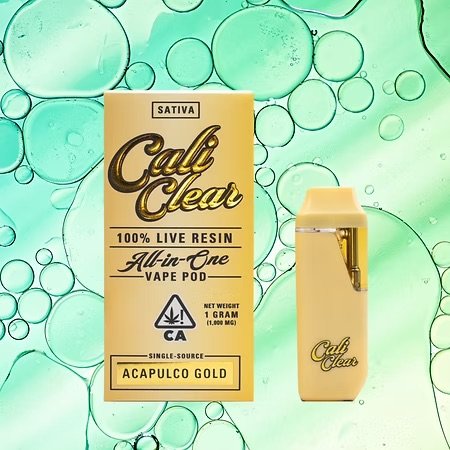
Cali Clear Acapulco Gold Live Resin Disposable Vape – 1G THC Cart
$25.00
What Terpenes Are
Terpenes are volatile aromatic compounds produced by many plants, not just cannabis. Pinene is what pine trees smell of. Limonene is in citrus rind. Caryophyllene gives black pepper its bite. Linalool is the lavender compound.
Cannabis produces them in the same resin glands that produce cannabinoids, and a cultivar’s particular mix is what makes it identifiable by smell. Two strains at identical THC can smell and taste completely different, and that difference is terpenes.
Volatile is the operative word, and it has three practical consequences that run through the rest of this page: terpenes evaporate with heat, degrade with time and light, and are separated out first in processes that sort compounds by volatility.
The Honest Part: What the Evidence Shows
Nearly every terpene guide online presents a table saying myrcene sedates, limonene elevates, linalool calms. Those associations come from reported experience and preliminary research, not from settled science, and the difference matters.
The mechanism usually invoked is the entourage effect — the idea that terpenes and cannabinoids act together to produce effects neither would alone. A 2024 literature review examined the evidence and concluded that terpenes may indeed influence the effects of cannabinoids, but that the hypothesis “remains unproven.” Its blunt summary: “no reliable scientific evidence of this synergy exists, at least at the cannabinoid receptor level.” The reviewers called the effect plausible and called for clinical trials.
Individual terpenes did show preliminary promise in isolation — linalool for sleep and stress, limonene for pain, caryophyllene for pain and cold tolerance, myrcene for relaxation and inflammation — but myrcene showed no additional benefit when combined with CBD, and pinene showed no evidence of neuroprotective effect in the contexts tested.
So how should you use the table below?
As a flavor and aroma guide: confidently. Terpenes unambiguously determine how a cultivar smells and tastes. That part is not in dispute.
As an effects guide: as the best available signal, not a promise. Terpene profile is more informative than the indica/sativa label — a 2021 Nature Plants study found no meaningful genetic distinction between those two categories — but it is not a prediction about you. Dose and individual chemistry matter more.

The Eight Terpenes That Matter Most
| Terpene | Smells like | Also found in | Commonly associated with |
|---|---|---|---|
| Myrcene | Herbal, earthy, musky | Hops, thyme, mango | Heavier, more relaxing profiles |
| Limonene | Citrus rind | Lemon, orange peel | Brighter, mood-elevating profiles |
| Caryophyllene | Pepper, spice, wood | Black pepper, cloves | Body-forward, warming profiles |
| Pinene | Fresh pine | Pine needles, rosemary | Clear-headed profiles |
| Linalool | Floral, soft | Lavender, coriander | Calming profiles |
| Terpinolene | Fresh, piney, faintly floral | Nutmeg, apples, cumin | Bright, energising profiles |
| Humulene | Earthy, hoppy, woody | Hops, sage | Grounding, often alongside caryophyllene |
| Ocimene | Sweet, herbaceous | Mint, parsley, orchids | Light, uplifting profiles |
The two worth understanding properly
Caryophyllene is chemically unusual. It is the only common cannabis terpene that binds directly to CB2 receptors — part of the endocannabinoid system — which technically makes it a dietary cannabinoid as well as a terpene. That makes it the most mechanistically interesting compound on the list, and it is the dominant terpene in the heaviest flavors in most lineups, Bubba Kush among them. Cali clear terpenes
Terpinolene is the honesty test. It is comparatively rare as a lead terpene, and — unlike limonene — it is not a standard flavouring addition. That matters commercially: limonene can be added to anything, so a citrus taste tells you very little, while terpinolene on a certificate suggests the profile came from the plant. Super Lemon Haze is the clearest example.
Why the Terpene Line on a Lab Report Is Worth Reading
This is the practical section, and it is the reason to care about any of the above when buying.
Total terpenes on a certificate of analysis tells you what kind of extract you have.
| Total terpenes | What it indicates |
|---|---|
| Near zero, or no terpene panel at all | Distillate — any flavour was added after processing |
| Roughly 2–8% | Liquid diamonds — crystals dilute the terpene fraction |
| 4–12% | Live resin |
| 13–40% | High-terpene extract (HTE) |
Two things follow that are worth knowing before you buy anything:
A product publishing a THC number but no terpene panel has told you something. Terpene testing is an additional lab cost. A producer whose flavour comes from the plant has a reason to pay for it; one whose flavour comes from a bottle does not.
Added flavouring does not register on a cannabis terpene panel. Botanical flavourings are not what the panel tests for, so a heavily flavoured distillate can taste intensely of something and show a terpene profile near zero. The taste in your mouth is not evidence about the extract. The certificate is.
The full three-way breakdown is in our liquid diamonds vs live resin vs distillate guide.
Why Terpenes Survive in Some Products and Not Others
Because terpenes are volatile, how an extract is made determines whether they are still there.
Distillate is produced by short-path distillation, which separates fractions by volatility under vacuum. Terpenes are far more volatile than cannabinoids, so they come off in an earlier fraction and are removed by design — the objective is near-pure cannabinoids. Flavour is added back afterwards.
Live resin starts from cannabis frozen immediately after harvest and extracted cold, which preserves not just the major terpenes but the fragile trace compounds that make one cultivar distinguishable from another.
Liquid diamonds also start from fresh-frozen material. THCa crystallises out, is separated from the terpene-rich sauce, and is recombined with it — so the terpenes are the plant’s own, diluted by the crystals. How that works in detail is on our liquid diamonds page.
And after purchase, terpenes keep degrading. Heat, light and air all accelerate it, which is why old stock characteristically goes flat before it goes weak — potency holds up better than flavour. Store a device upright, cool and dark.
Terpenes in Cali Clear
Every Cali Clear flavor tests at the same 90–95% THC, which means potency separates nothing across the range — terpene profile is the entire difference between one flavor and another. That is why the flavors page ranks by profile rather than by strength, and why the strain type groupings on the indica, sativa and hybrid pages are about terpene tendencies rather than predicted effects.
Batch certificates, including the terpene panel, are published on our lab reports page.
For adults 21 and over. This page is educational and is not medical advice. Cannabis products have not been evaluated for the treatment of any medical condition.
Frequently Asked Questions
What are terpenes? Terpenes are volatile aromatic compounds produced by many plants, including cannabis. They determine how a cultivar smells and tastes — pinene is the pine compound, limonene the citrus one, caryophyllene the peppery one.
Do terpenes affect how cannabis makes you feel? Possibly, but it is not proven. A 2024 literature review concluded the entourage effect is plausible while stating that no reliable scientific evidence of synergy exists at the cannabinoid receptor level. Terpene profile is the best available signal for how a cultivar will feel, not a guarantee.
Which terpene is the most relaxing? Myrcene is the one most consistently associated with heavier, more relaxing profiles, with caryophyllene and linalool also appearing in those profiles. These associations come from reported experience and preliminary research rather than settled science.
What does caryophyllene do? Caryophyllene smells peppery and spicy and is the only common cannabis terpene that binds directly to CB2 receptors, which technically makes it a dietary cannabinoid as well as a terpene.
How can I tell if a vape has real terpenes? Check total terpenes on the certificate of analysis. Distillate shows near zero or has no terpene panel; live resin typically shows 4–12%; liquid diamonds roughly 2–8%. Taste is not evidence, because added flavouring does not register on a cannabis terpene panel.
Do terpenes go bad? They degrade with heat, light, air and time. This is why old stock tends to taste flat before it tests weak — terpenes are more fragile than cannabinoids. Storing a device upright, cool and dark slows it.
Are terpenes better than the indica or sativa label? Yes, as a guide. A 2021 Nature Plants study found no meaningful genetic distinction between plants labelled indica and sativa, and the researchers recommended looking at specific terpene profiles instead. Terpenes are measured; the labels are not.
Do all Cali Clear flavors have different terpenes? Yes — and since every flavor tests at 90–95% THC, the terpene profile is the entire difference between them.
Written by Peter Grinspoon, product review expert and head of review at our authorized retail business. With years of dedicated experience in licensed cannabis retail and hardware evaluation, Peter ensures every product we recommend meets the highest standards of authenticity, safety, and performance.