
The conventional answer is that indica relaxes you, sativa energises you and hybrids sit between. The conventional answer does not hold up.
A 2021 study published in Nature Plants by researchers at Dalhousie University and Wageningen University analysed hundreds of cannabis samples and found that plants labelled sativa are no more genetically similar to each other than plants labelled indica, with substantial chemical overlap between the two categories. The study’s lead author, Dr Sean Myles, put it directly: “There is now a broad scientific consensus that the current use of the Indica and Sativa labelling is misleading.”
That does not make the labels useless. It makes them something other than what people think they are — and knowing which is the difference between choosing well and being disappointed.
Staff picks
-
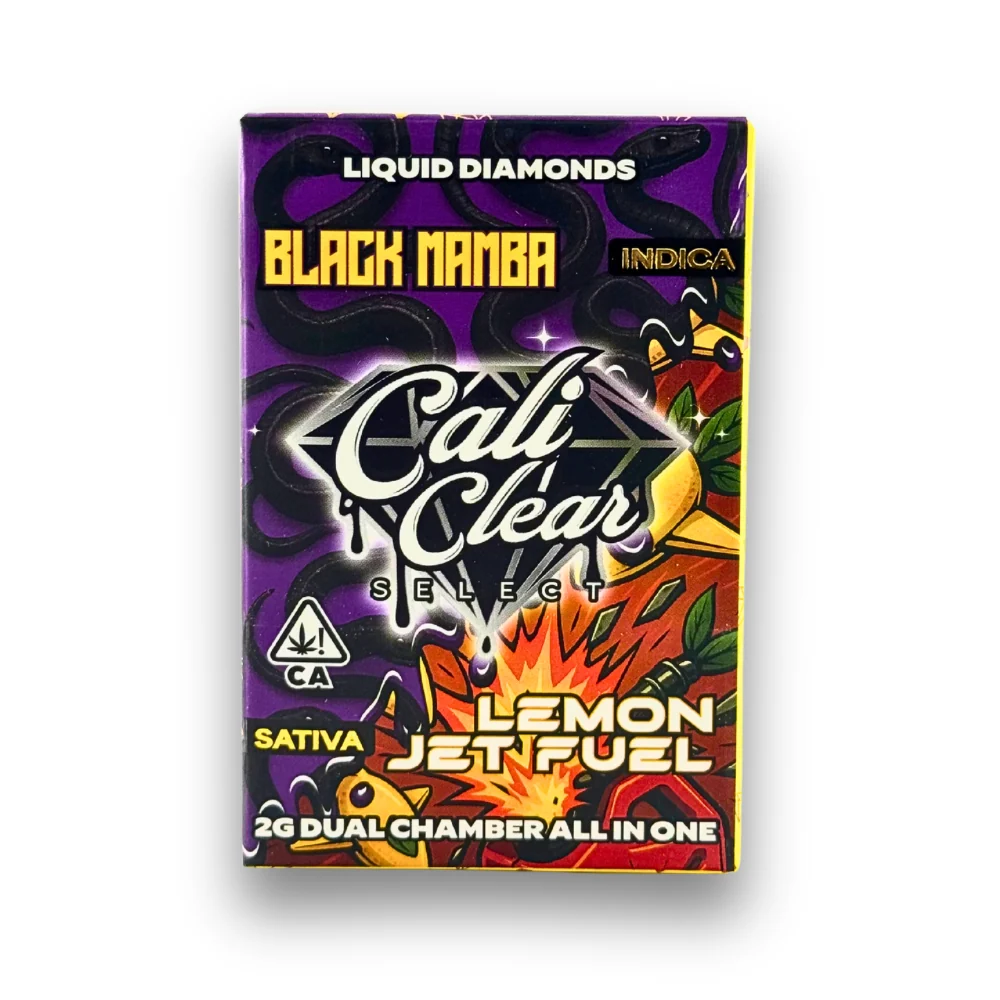
Black Mamba (Indica) x Lemon Jet Fuel (Sativa)
Original price was: $35.00.$30.00Current price is: $30.00. -
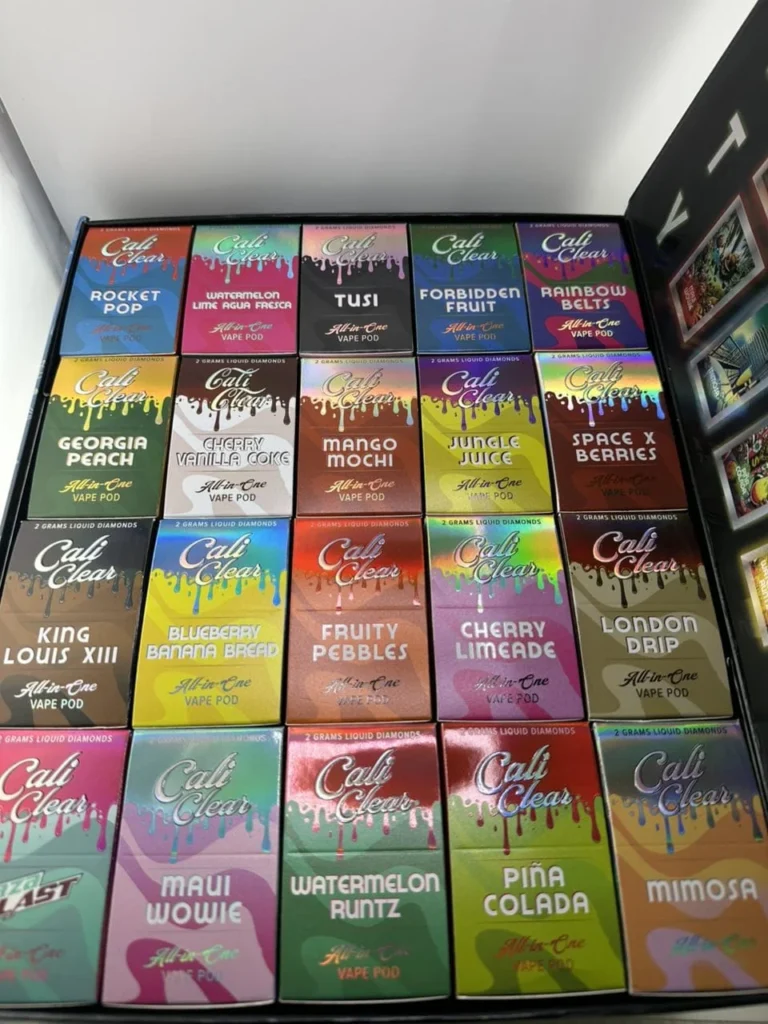
Cali Clear 2g Disposable bulk
Price range: $220.00 through $2,100.00 -
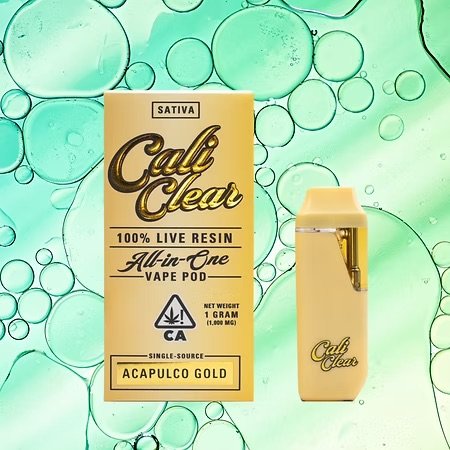
Cali Clear Acapulco Gold Live Resin Disposable Vape – 1G THC Cart
$25.00 -
Cali Clear Alien Cookies – 1G THC All-In-One Disposable – Hybrid –
$20.76
What the Labels Originally Meant
The terms describe plant morphology — how the plant grows.
- Indica — short, bushy, broad leaves, shorter flowering cycle. Associated with Afghanistan, Pakistan and northern India.
- Sativa — tall, narrow leaves, longer flowering cycle. Associated with equatorial regions.
- Hybrid — a cross between the two, which today describes very nearly everything.
These were botanical descriptions for growers, and as descriptions of plant shape they are perfectly real. The problem is what happened next: the industry began using them as predictions about effects, which is not what they were ever measuring.
Why the Distinction Broke Down
Decades of crossbreeding. Almost every commercial cultivar sold today is a hybrid several generations deep. A plant marketed as “indica” is typically indica-leaning by percentage, not indica in any pure sense. Pure landrace varieties of either type are rare and mostly not what is on a menu.
The label follows marketing, not measurement. There is no standards body checking that a strain sold as sativa is genetically sativa. In practice the designation often follows how the strain is expected to feel, which makes the reasoning circular — it is called a sativa because it feels energising, and it is said to feel energising because it is a sativa.
Chemistry does not track the label. This is the finding that matters. Two strains sharing a label can have substantially different terpene and cannabinoid profiles, and two strains with different labels can be nearly identical in chemistry. The research team’s recommendation was explicit: look at the specific terpene profile rather than the category name.
What to Look At Instead
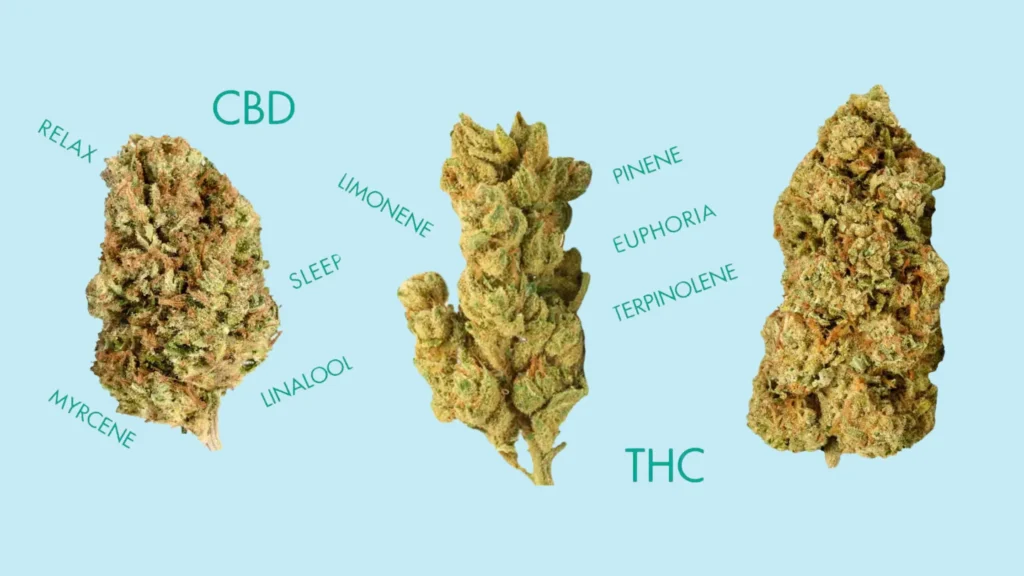
Terpene profile is the more useful signal — and unlike the indica/sativa label, it is measured and printed on a certificate.
Terpenes are the aromatic compounds that give each cultivar its smell and taste. They are also the most plausible mechanism behind the differences people report between strains at similar THC levels, and they are what a lab actually tests for.
Rough associations, stated with the honesty they deserve:
| Terpene | Aroma | Commonly associated with |
|---|---|---|
| Myrcene | Herbal, earthy | Heavier, more relaxing profiles |
| Limonene | Citrus | Brighter, mood-elevating profiles |
| Caryophyllene | Pepper, spice | Body-forward, warming profiles |
| Terpinolene | Fresh, piney, floral | Bright, energising profiles |
| Linalool | Floral, lavender | Calming profiles |
| Pinene | Pine | Clear-headed profiles |
An important caveat on that table. These associations come from reported experience and preliminary research, not from settled science. A 2024 literature review of the entourage effect concluded that terpenes may well influence how cannabinoids act, but that the hypothesis “remains unproven,” noting that no reliable evidence of synergy exists at the cannabinoid receptor level. The reviewers called the effect plausible and called for clinical trials.
So terpene profile is a better guide than the indica/sativa label. It is not a guarantee. Anyone telling you a given terpene will produce a given feeling is ahead of the evidence.
Our full breakdown of the terpenes that appear across the range is in the Cali Clear terpene guide.
So Are the Labels Worthless?
No — they are just worth less than people think, and they are useful for a narrower purpose than they are used for.
What the labels still do reliably: they correlate loosely with terpene tendencies. Strains labelled indica do skew toward myrcene and caryophyllene; strains labelled sativa do skew toward limonene and terpinolene. The correlation is real but loose, which makes the label a rough first filter rather than an answer.
Treat them as a starting point, not a prediction. “I usually like indicas” is useful information about your preferences. “This is an indica so it will make me sleepy” is a claim the evidence does not support.
What actually determines your experience, roughly in order:
- Dose. Far and away the largest variable, and the one most often ignored.
- Your own tolerance and chemistry. Two people take the same draw and report different things. This is normal.
- Terpene profile. The most useful measured signal.
- Setting and expectation. Well documented across substances generally.
- The indica/sativa label. Real, loose, and last.
How Cali Clear Uses the Labels
We group flavours by strain type because that is how people shop, and because the correlation with terpene profile is real even if it is loose. We do not claim the label predicts how you will feel.
- Indica flavours — heavier terpene profiles, typically earth, coffee, pine and dark fruit. Bubba Kush, King Louis XIII, Cloud Walker, Dirty Sprite, Blueberry Banana Bread.
- Sativa flavours — brighter and more citrus-forward. Super Lemon Haze, Ghost Train, Maui Wowie, Blue Dream, Cherry Limeade, Turbo Diesel.
- Hybrid flavours — the largest group and the safest starting point. Zaza Blast, London Drip, Pink Runtz, Watermelon Runtz, Gushers, Fruity Pebbles, Banana Mango, Lemon Cherry Gelato.
Every Cali Clear flavour tests at the same 90–95% THC, so the strain type does not change potency. What it changes is the terpene profile, and that is the whole of the difference — which is exactly the argument above, applied to a menu.
Tasting notes for all 28 are on the Cali Clear flavors page, and batch certificates with the full profiles are on our lab reports page.
One more caution specific to concentrates. At 90–95% THC the dose per draw is much larger than with flower, and dose outranks every other variable on the list above. A short draw and a fifteen-minute wait does more to shape your experience than any label on the box.
This page is educational and is not medical advice. Cannabis products have not been evaluated for the treatment of any medical condition. indica vs sativa vs hybrid
Frequently Asked Questions
What is the difference between indica and sativa? Originally they described plant shape — indica short and broad-leaved, sativa tall and narrow-leaved. A 2021 Nature Plants study found no meaningful genetic distinction between plants carrying the two labels, with substantial chemical overlap, so the terms are unreliable as predictions about effects.
Is indica or sativa better? Neither. The labels correlate loosely with terpene tendencies but do not reliably predict effects. Dose, your own tolerance and the terpene profile all matter more.
What is a hybrid strain? A cross between indica and sativa genetics. In practice nearly every commercial cultivar is a hybrid several generations deep, which is much of why the original two-way distinction has stopped being meaningful.
Does indica really make you sleepy? Not reliably. Strains labelled indica do tend toward myrcene and caryophyllene, which are associated with heavier profiles, but the association comes from reported experience rather than settled science, and individual response varies considerably.
What should I look at instead of indica or sativa? Terpene profile, which is measured and printed on a certificate of analysis. The researchers behind the 2021 genetic study recommended exactly this. Dose matters more still.
Is a sativa Cali Clear stronger than an indica one? No. Every Cali Clear flavour tests at 90–95% THC regardless of strain type. The terpene profile is the only thing that changes.
Are terpenes proven to change how cannabis affects you? Not proven. A 2024 review concluded the entourage effect is plausible but that the hypothesis of additive or synergistic effects remains unproven, with no reliable evidence of synergy at the cannabinoid receptor level. Terpenes are the best available signal, not a certainty.
Written by Peter Grinspoon, product review expert and head of review at our authorized retail business. With years of dedicated experience in licensed cannabis retail and hardware evaluation, Peter ensures every product we recommend meets the highest standards of authenticity, safety, and performance.